
Trying to understand the physical differences in the manga vs manhwa vs comics debate is a classic bookcase conundrum for collectors. If you’ve ever looked at your shelf and wondered why your Spider-Man trades are a different size than your Jujutsu Kaisen volumes, or why your Solo Leveling books are in full color, you’re not alone.
This guide is here to solve that! We’re moving beyond just origin countries to look at the physical art of the thing, the feel of the paper, the size in your hands, the way you read it. For readers who also enjoy digital formats, screen size and layout matter just as much, especially when choosing the right device for reading comics comfortably.
It’s the difference between hitting play on a Netflix original, booting up a next-gen PS5 game, or slipping a Blu-ray into a player. The experience is unique.
Think of me as your friendly tour guide through the wonderful world of physical collection. Let’s break down the manga, manhwa, and comics format differences together!
At a Glance: The Manga vs Manhwa vs Comics Cheat Sheet
I get it. Sometimes you just need the facts, fast. You’re debating with a friend, making a quick buying decision, or just satisfying that immediate curiosity. Here’s your cheat sheetfor the biggest players in the manga vs manhwa vs comics discussion.
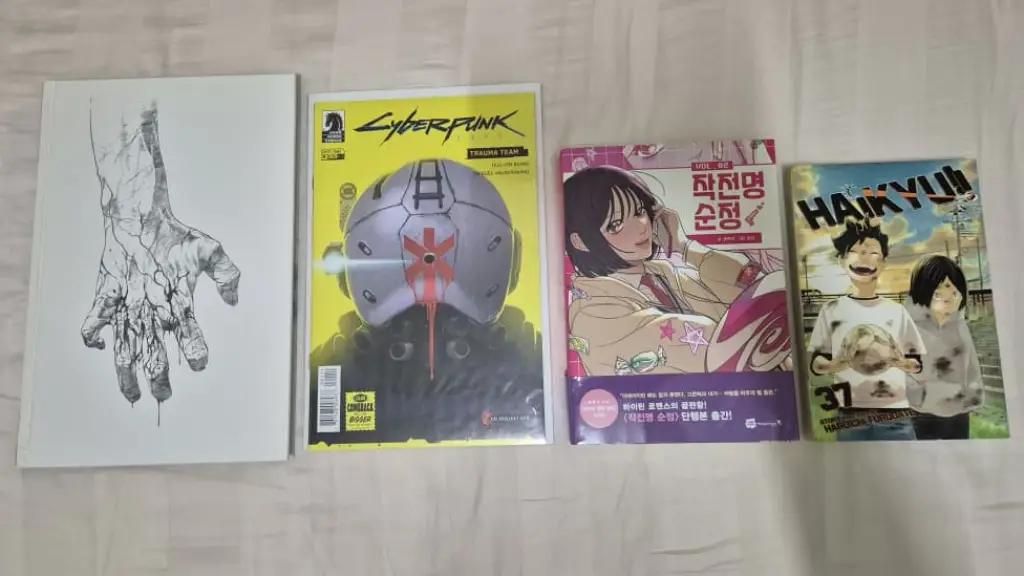
| Feature | Western Comics | Manga (Japanese) | Manhwa (Korean) | Manhua (Chinese) |
|---|---|---|---|---|
| Origin | US & Canada | Japan | Korea | China |
| Standard Size | ~17 x 26 cm (Trades) | ~13 x 18 cm (Tankobon) | ~15 x 21 cm (Common) | ~15 x 21 cm (Common) |
| Reading Direction | Left-to-Right | Right-to-Left | Left-to-Right | Varies (LTR or RTL) |
| Color | Full Color | Black & White (Often) | Full Color | Full Color |
| Binding | Paperback / Hardcover | Paperback | Paperback / Hardcover | Paperback / Hardcover |
A quick note on this table: These are the common standard formats. There are always exceptions! (Lookin’ at you, deluxe oversized Absolute Editions and full-color manga releases!). But 9 times out of 10, this is what you’ll hold in your hands.
Now that we’ve seen the specs, let’s dive deeper and really get to know what makes each of these formats special…
Where Western Comics Fit in the Manga vs Manhwa vs Comics Discussion
So, where do the classics fit in? When we talk about comics in this global comparison, we’re usually talking about the floppy single issues and thicker Trade Paperbacks (TPBs) from publishers like Marvel and DC. Think of them as the blockbuster movie releases of the collection world, big, bold, and designed to make a statement on the shelf.
- The Physical Specs: The most immediate difference is size. A standard TPB is noticeably larger and wider than its Japanese counterpart. It’s like holding a premium gaming artbook compared to a novel. The paper is often higher-quality, glossy stock, making the full-color art just pop off the page. This is a world away from manga’s newsprint feel.
- The Collector’s Vibe: The culture of collecting is deeply woven into the format. Single issues are often bagged and boarded to preserve their condition and potential value. TPBs collect story arcs into a more durable, bookshelf-friendly format. The spines are often designed to create a larger image when you have a whole run, which is incredibly satisfying for a collector (like getting a Platinum trophy!).
In the manga vs manhwa vs comics debate, Western comics are the established, often larger-than-life anchor. They set the standard for full-color, serialized superhero storytelling that feels right at home in an American bookstore.
ComicsDeck has many reviews on Marvel and DC comics. You can view them here:
The Defining Physical Traits of Manga
Alright, let’s talk about my first love: manga. If Western comics are the blockbuster movies, think of manga as the critically acclaimed, bingeable Netflix series you can’t put down. Its physical form is instantly recognizable and built for a specific, immersive experience.
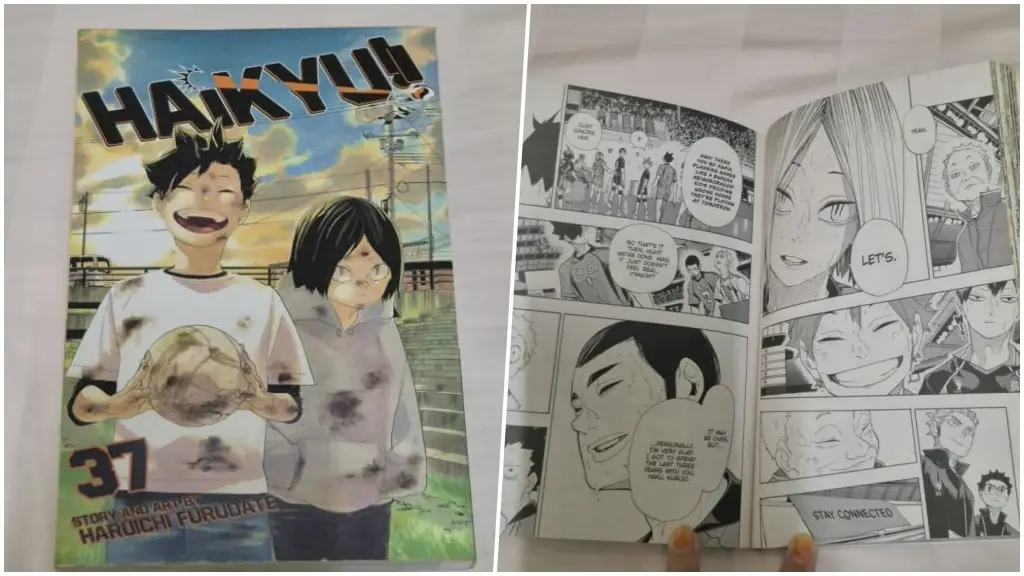
- The Physical Specs: The most iconic trait is the size. Most standard tankobon volumes are compact, almost pocket-sized. This isn’t a downside; it makes them incredibly portable and a joy to hold for long reading sessions. The second biggest trait? The pervasive use of black-and-white interiors. This is a cultural and economic tradition that focuses on masterful line art and screentoning over color. Coupled with the thinner, often newsprint-like paper, it gives manga a distinct, tactile feel that fans adore.
- The Reading Rhythm: The most crucial physical difference is the reading direction. You start from what we’d consider the “back” of the book and read panels from right-to-left. It feels strange at first, like switching a game’s control scheme, but it quickly becomes second nature and adds to the immersive, cultural experience.
- The Little Details: Don’t forget the “obi,” that paper strip wrapped around the cover. It’s not just a marketing blurb; for collectors, it’s a part of the complete package, often featuring exclusive art or information.
Manga’s physical identity is all about efficiency, tradition, and a unique artistic rhythm.
The choice between manga and anime is a classic dilemma for fans. For a deep dive into how this plays out with a specific modern masterpiece, see our comparison of the Frieren manga and anime adaptation.
How Manhwa Stands Out From Comics and Manga
If manga is the bingeable Netflix series and comics are the blockbuster movie, then think of manhwa as the stunning, high-definition video game cutscene you can’t skip. It’s a format that has fully embraced the digital age, and its physical prints are a premium product of that evolution. This is where it truly carves its own space in the manga vs manhwa vs comics discussion.
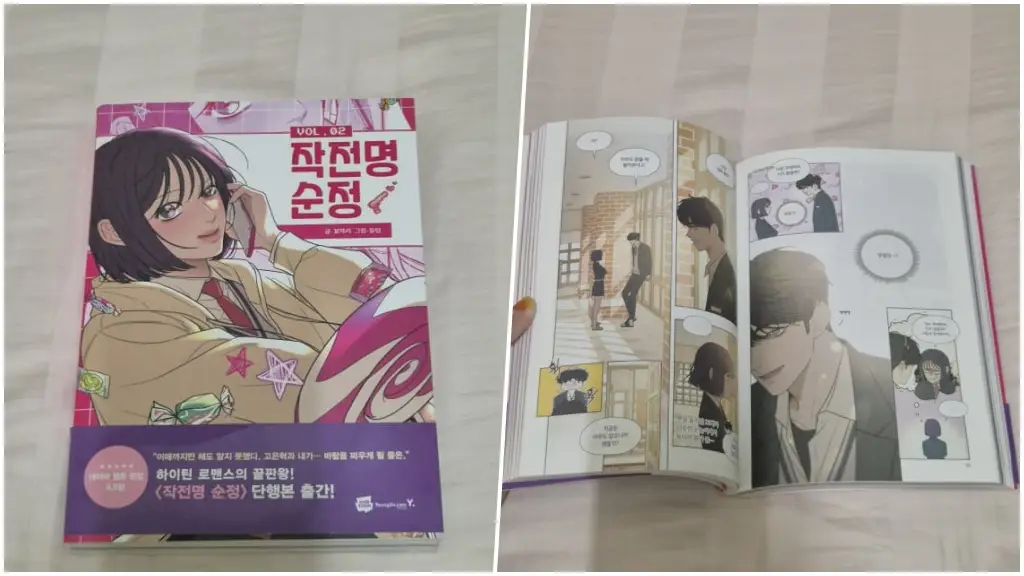
- The Physical Specs: Manhwa often finds a perfect middle ground in size, larger than a standard manga tankobon but often more novel-sized than a wide Western TPB. But the most jaw-dropping difference is the color. While manga is predominantly black-and-white, modern print manhwa is almost universally in full, vibrant color. This is a direct result of its origin as a digital “webtoon,” designed to be read vertically on a phone screen. The physical copy is a gorgeous translation of that, printed on high-quality, glossy paper that makes every panel pop.
- The Reading Rhythm: Here’s a big win for Western readers: manhwa is almost always read in the standard left-to-right direction. There’s no need to rewire your brain, making it an incredibly accessible entry point for fans new to Eastern comics.
- The Collector’s Vibe: Because the digital version is often free-to-read, the physical manhwa volume is a premium collectible. It’s a way to own your favorite series in a tangible, high-quality format. The spines are often sleek and modern, reflecting the digital-native origin of the stories inside.
Manhwa’s physical identity is modern, vibrant, and designed for a seamless, immersive reading experience that bridges the gap between East and West.
Beyond the Big Three: Where Manhua Fits In
No tour of global comics is complete without mentioning manhua. While the manga vs manhwa vs comics debate often takes center stage, Chinese manhua is a powerful and growing force in the physical collecting world. It’s like the exciting new indie game that suddenly gains a massive following. It plays by its own rules and brings unique flavors to the table.
- The Physical Specs: Physically, manhua volumes are often very similar to manhwa. You’ll commonly find them in a medium-sized, novel-like format, and they are almost always in full color on high-quality paper. The covers and artwork are frequently breathtaking, drawing heavily from China’s rich history of art and mythology.
- The Reading Wildcard: The biggest differentiator, and sometimes a point of confusion, is the reading direction. Unlike the consistent right-to-left of manga or left-to-right of manhwa, manhua can be published either way. Some series follow the traditional Chinese top-to-bottom, right-to-left format, while others adopt the left-to-right style to cater to a global audience. Always check the volume’s instructions!
- Thematic Flavor: The stories themselves are a major differentiator. Manhua is deeply infused with themes from Chinese mythology, wuxia (martial heroes), and xianxia (immortal heroes). This gives it a distinct aesthetic and narrative feel that sets it apart from its Japanese and Korean counterparts.
Manhua adds another rich layer to a collector’s shelf, offering a unique cultural perspective and stunning visual style.
Side-by-Side Comparison: A Visual Summary
So, we’ve toured the globe. Now, let’s line these formats up side-by-side one more time. Think of this as your ultimate cheat sheet for building a diverse and visually stunning collection.
The Collector’s Note on Obi Strips: As we’ve discovered, that paper strip on manga isn’t just packaging; it’s a key part of the collectible’s identity and value. Originally used to provide information like price and track listings, it’s now a mark of a pristine, complete item. For serious collectors, a volume “with obi” can be worth significantly more than one without. Its fragility, it is never glued down, means a surviving obi signals a cared-for collection.
There’s No “Best,” Only “Best For You”
Phew! That was a deep dive, wasn’t it? From the glossy superheroics of Western comics to the portable black-and-worlds of manga, the vibrant digital-native pages of manhwa, and the mythic landscapes of manhua, we’ve covered a lot of ground.
Remember, the “best” format isn’t the one with the most rules or the highest price tag; it’s the one that brings you the most joy. Maybe it’s the satisfying heft of a Western Omnibus, the nostalgic smell of manga newsprint, the breathtaking color of a manhwa panel, or the cultural deep-dive of a manhua.
Each format is a door to a different kind of adventure. The beauty of being a collector today is that you don’t have to choose just one. Your bookshelf can be a multicultural museum of incredible storytelling.
Now I want to hear from you! Let’s get the conversation going:
- Which of these formats do you collect the most, and what’s your favorite thing about the physical copy? Is it the smell of the paper? The feel of a spine? The thrill of the hunt?
- Was there a format we didn’t cover that you love? Tell us about it! Do you collect European bandes dessinées or indie graphic novels? Share your passion!
Let me know in the comments below!
