
Picking your first mecha anime can feel like being handed a game controller for a franchise you’ve never played. Do you choose the gritty, complex military simulator where every bullet has a cost? Or the over-the-top, heart-pumping superhero brawler where a shout powers your final attack?
Welcome to the oldest and most important split in the mecha universe: Real Robot vs Super Robot. This isn’t just fan jargon, it’s the key to understanding the entire genre’s soul. As someone who’s cried over both battlefield tragedies and galaxy-sized drills, let me be your guide.
The Core Philosophy: Grit vs. Glory
Think of it as the genre’s foundational choice:
- Real Robot asks: “What if giant robots were real, practical weapons of war?”
- Super Robot asks: “What if a giant robot was the ultimate expression of human courage?”
Here’s a quick cheat sheet:
| Trait | Real Robot | Super Robot |
|---|---|---|
| Power Source | Logic, Fuel, Reactors | Emotion, Willpower, Courage |
| Pilots | Soldiers, Conscripts, Professionals | Chosen Heroes, Hot-Blooded Youths |
| The Enemy | Rival Nations, Political Factions | Aliens, Monsters, Evil Empires |
| The Stakes | Survival, Political Victory | The Survival of All Existence |
| The Vibe | Gritty, Political, Tragic | Hopeful, Hype, Heroic |
| Classic Example | Mobile Suit Gundam | Mazinger Z |
The Real Robot Genre: War Machines with Weight
This is where my personal obsession began. Real Robot isn’t about fantasy; it’s about speculative engineering and human drama.
The Rules of the Real
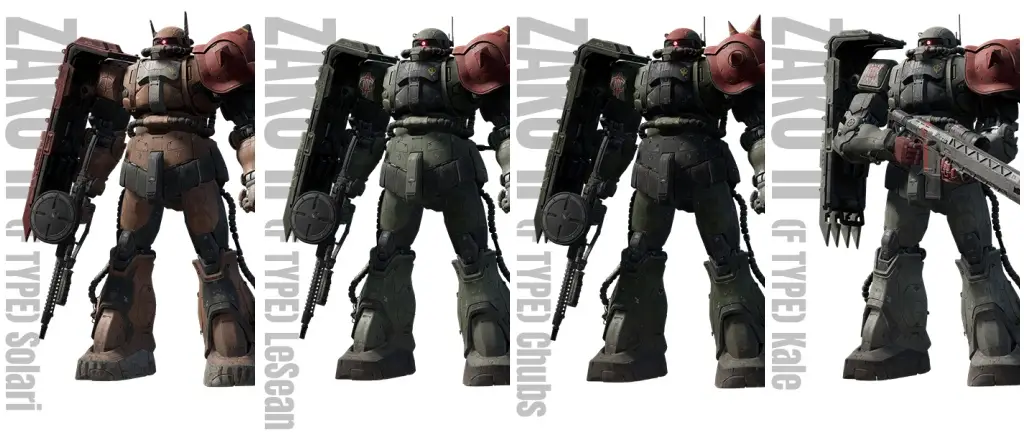
The machines here are treated like tanks or fighter jets. They run out of ammo. They break down. They’re expensive, mass-produced tools in a larger war effort. The story focuses on the pilots as soldiers, their fear, their politics, and their trauma. It’s less about “saving the world” and more about “surviving this battle.”
The Pioneer & Blueprint: Mobile Suit Gundam (1979)
You can’t talk Real Robot without the king. The original Mobile Suit Gundam took toy-friendly “super robots” and asked, “What would these actually be like in a war?” The answer was the Universal Century timeline: a complex, politically-driven space opera where the iconic Gundam is a powerful but fallible prototype. The recent Netflix series Gundam: Requiem for Vengeance is this philosophy taken to its darkest, most visceral extreme, a must-watch for veterans.
Modern Real Robot & Where to Start
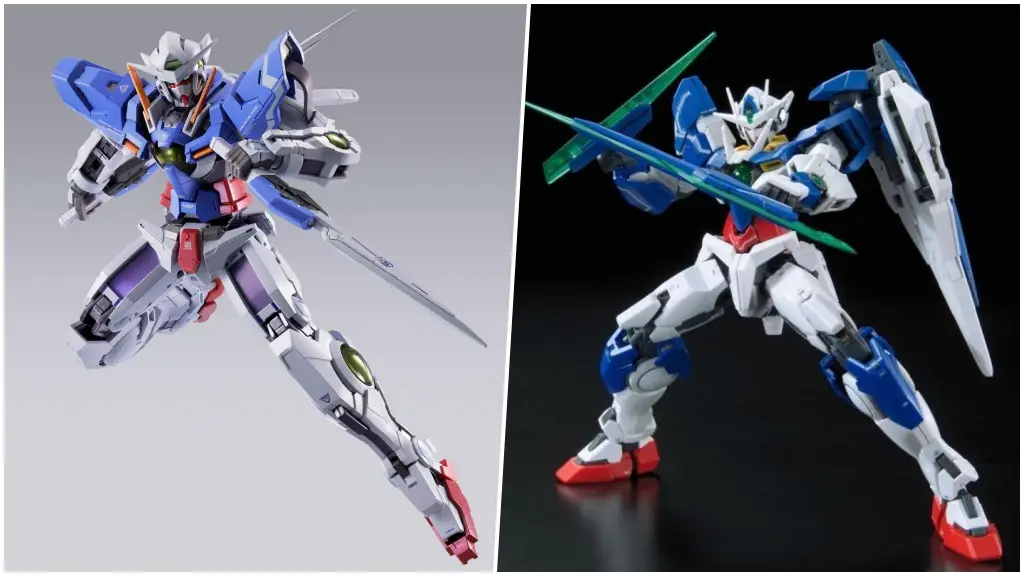
- For the Newcomer: Start with Gundam 00. It’s a polished, standalone modern series with all the political intrigue and tactical combat of the genre.
- For the Tactics Fan: Macross is a legendary hybrid. It’s got the real robot dogfights (with transforming Valkyries!) but blends in pop idols and romance. Our Macross watch order guide has your entry point.
- For the Grounded Police Drama: Patlabor is essentially a police procedural, with giant robots used for construction and occasionally for crime-fighting.

The Super Robot Genre: Heroes Powered by Heart
If Real Robot is your brain, Super Robot is your screaming heart. This genre is about myth, emotion, and the unstoppable power of fighting spirit.
The Rules of the Super
The robot is often unique, ancient, or alien. It transforms, combines with other machines, and draws power directly from the pilot’s emotions or will. The pilot is a chosen hero, fighting against a clear, archetypal evil. Logic takes a backseat to rule-of-cool and symbolic spectacle.
The Kings of Combos: Mazinger Z & Getter Robo
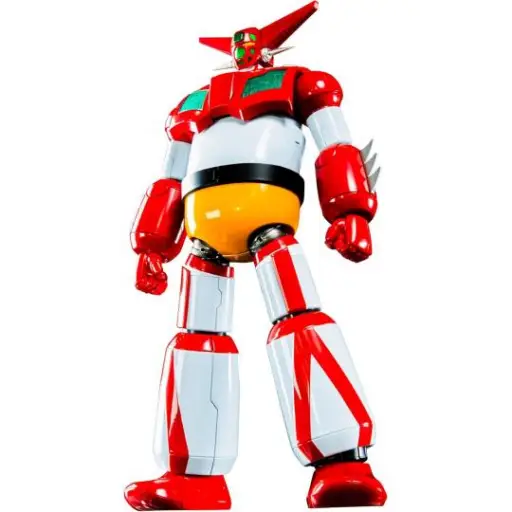
In the 1970s, these two series defined everything. Mazinger Z (1972) featured the first piloted, humanoid “Super Robot.” Getter Robo (1974) introduced the concept of combining robots, a trope that became a genre staple. These shows are pure, undiluted hype, the blueprint for power-ups and heroic speeches.
The Modern Peak: Gurren Lagann (2007)
If you watch one Super Robot show, make it Gurren Lagann. Produced by Gainax, it’s a loving, explosive tribute to the entire genre. It starts with heroes drilling from underground and ends with battles that throw galaxies as shurikens. It doesn’t deconstruct the genre; it perfects it, asking “What if our willpower literally had no limit?” It’s the most emotionally sincere, over-the-top spectacle in anime.
The Great Hybrids, Deconstructions, & Gateways
The best shows often play in the space between, or tear the rules apart.
The Deconstructor: Neon Genesis Evangelion (1995)
Evangelion is the ultimate genre critique. It takes the Super Robot premise (teen pilots in unique biomechs saving the world) and injects it with Real Robot consequences: crippling trauma, psychological breakdowns, and bureaucratic nightmare. It asks, “What would actually happen to a child given this responsibility?” It’s essential, brilliant, and famously unsettling.
The Perfect Gateway: Gundam 00 & Other Blends
Many modern hits blend the philosophies. Gundam 00 has Real Robot politics and military structure, but the Gundams themselves have a near-mystical quality. Code Geass pairs complex political chess (Real Robot) with a charismatic, super-powered protagonist (Super Robot spirit). *86* combines brutally realistic drone warfare with almost poetic, emotional character journeys.
So… Which Robot Is For You, Real Robot vs Super Robot?
Still not sure? Let’s make it simple:
- Choose REAL ROBOT if you love: Military strategy, political drama, hard science, stories about the cost of war, and characters who feel like vulnerable soldiers.
- Choose SUPER ROBOT if you love: Unapologetic hype, giant drills and swords, power-of-friendship themes, clear good vs. evil battles, and leaving your brain at the door to feel pure epic joy.
Your Next Mission in the Mecha Universe
Understanding this split is like unlocking the genre’s map. Now you can look at a show like Gundam or Evangelion and appreciate what tradition it’s building on—or breaking.
This is just the beginning. We’re building the ultimate resource for mecha fans right here, from building the model kits to finding your next favorite series. Consider this your basic training.
Now, soldier or hero, your next watch is waiting. Go find it.
