
Okay, I just finished bingeing Gundam: Requiem for Vengeance on Netflix, and my hands are still a little cold. I went in expecting giant robot fights (which it has), but I wasn’t prepared for the sheer, claustrophobic dread of it all. This isn’t the heroic, uplifting Gundam I show my friends to get them into the hobby. This is the dark, gritty, war-is-hell footnote you find deep in the Universal Century timeline, and it’s executed with breathtaking and horrifying precision.
Let’s talk about why this fully 3D computer-generated (CG) series is a fascinating, must-watch experiment for veteran fans, but probably the worst possible starting point for a newcomer.
What Is Gundam: Requiem for Vengeance? (The Premise)
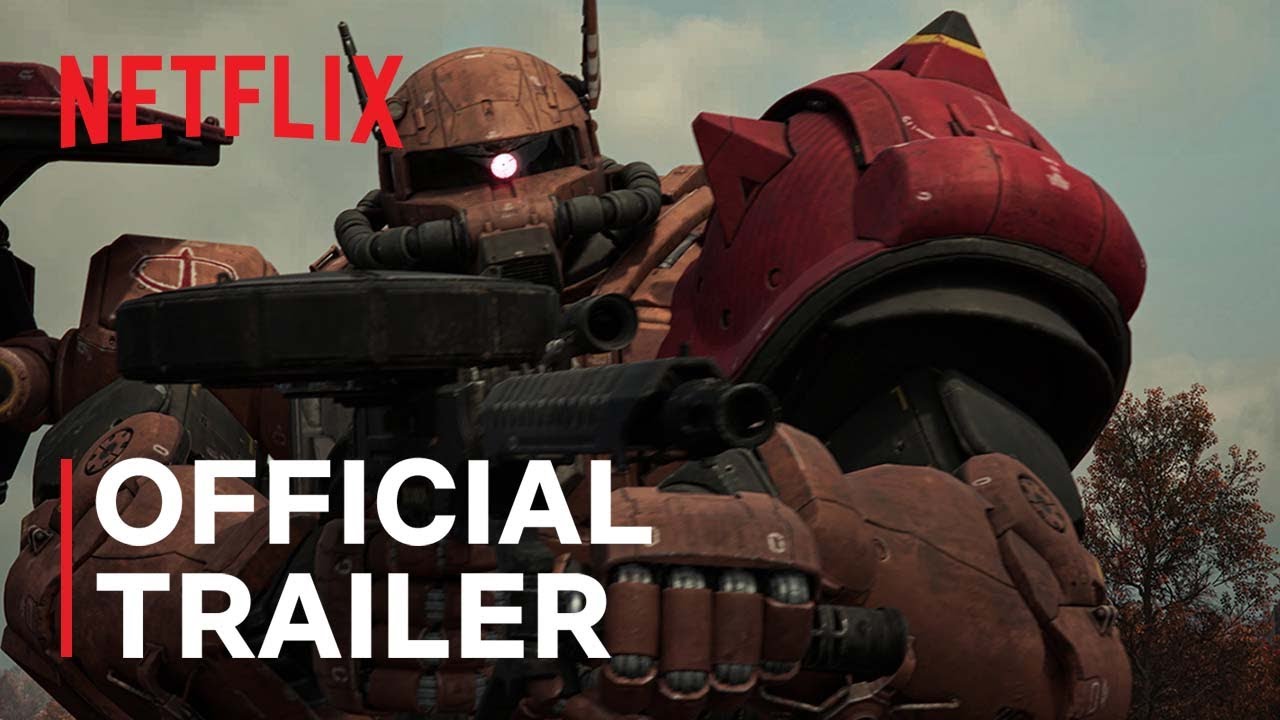
Requiem for Vengeance is a completely CG anime series set during the classic One Year War from the original Universal Century timeline. But forget the grand, galaxy-spanning opera of Char Aznable and the White Base. This story is told from the ground level, through the eyes of the Earth Federation’s 44th Mobile Team on the brutal European front.
Our main perspective is Ernst Bauer, a Federation pilot, and his squad as they face off against Zeon’s “Night Witches”, an elite, terrifying unit of mobile suit assassins. The plot is simple: survive. There are no chosen heroes here, just soldiers in a meat grinder. It’s Band of Brothers or Saving Private Ryan, but with Zakus and GM Cannons. The “Vengeance” in the title isn’t some noble quest; it’s the corrosive, desperate fuel that keeps these characters alive minute to minute.
A Different Kind of War: Animation, Tone & Sound
The CG Frontier: Beauty in Brutality
Let’s geek out on the tech for a second. This is produced by Safehouse Inc. and directed by Erasmus Brosdau, who comes from a background in game cinematics (like the Star Citizen trailers). It shows.
The animation is uncanny in the best way. The mobile suits have an incredible, crushing sense of weight… It’s the most physically tangible Gundam has ever felt. It’s a world away from the elegant, transformable ballet of Valkyries in a series like Macross, which is all about aerial agility and musical spectacle. If that’s more your speed, we’ve got the perfect Macross watch order guide if you are interested.
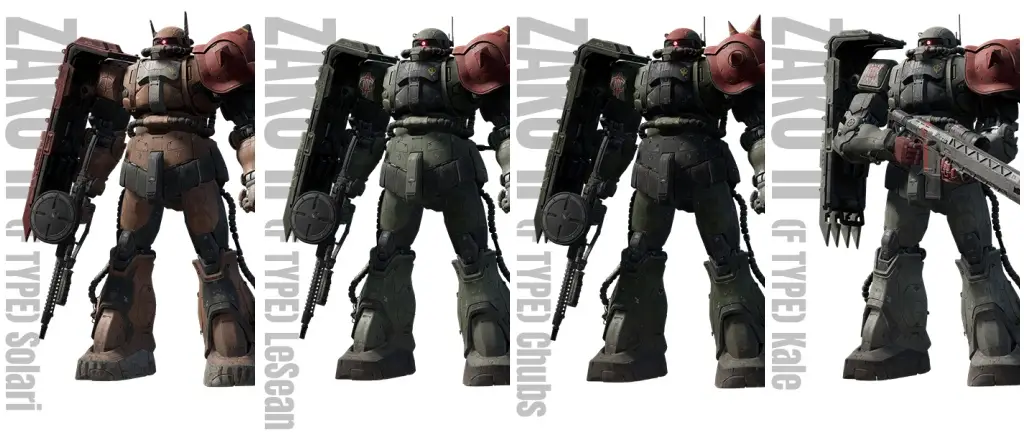
But the real genius is the tone. The color palette is all washed-out grays, muddy browns, and the sickly green of Zeon mono-eyes in the dark. It’s oppressive. The action isn’t flashy; it’s sudden, chaotic, and brutally efficient. This isn’t about cool poses; it’s about the terrifying physics of giant machines trying to kill each other in a bombed-out city.
A Symphony of War (Sound Design)
The sound team deserves a medal. The haunting, classical-meets-industrial score by Yugo Kanno never lets you relax, while Mark Griskey’s powerful main theme defines the series’ grim tone.
But it’s the sound design that broke me. The screech of metal stress, the static-filled comms chatter, the deafening silence after an explosion… It’s immersive in a way that makes you feel like you’re in the cockpit, heart pounding. Or, more often, hiding from one.
Cast of Soldiers: Characters in the Grinder
Don’t come in expecting deep, archetypal character arcs like in Gundam 00. The characters here are defined by their trauma and their role in the unit. Ernst is our everyman, a decent soldier being hardened (and cracked) by relentless violence. The members of the Night Witches are less people and more forces of nature, specters of death that represent the impersonal horror of the war machine.
You don’t love them; you fear for them. Their development is measured in how their eyes hollow out, not in grand speeches. It’s a deliberate, effective choice that serves the series’ grim thesis.
Where It Fits: The Veteran’s UC Timeline Test
This is the most important part. Requiem for Vengeance assumes you know what the One Year War is, who the Federation and Zeon are, and what a Zaku is.
It offers zero exposition. The thrill for a UC fan is seeing this famous, oft-referenced war rendered with such visceral, new-tech horror. It’s a dark piece of mosaic that makes the wider picture more profound.
If you went in cold, you’d just see gray robots fighting. You’d miss the chilling significance of a GM pilot’s terror, knowing how outclassed they are. You’d miss the narrative power of seeing the war from a perspective where there are no Gundams, no Newtypes, just humans in metal coffins.
The Verdict: Who Should Answer This Requiem?
Watch Gundam: Requiem for Vengeance If…
- You’re a Universal Century veteran who knows your RX-78 from your MS-06.
- You crave a grounded, visceral, and horrifying take on mecha combat.
- You want to see stunning, next-generation CG animation applied to classic Gundam iconography.
- You appreciate war stories that prioritize atmosphere and immersion over plot twists.
Skip It For Now If…
- You’re new to Gundam. Please, I beg you, start with a series that wants you to understand and love its world, like Gundam 00.
- You need likable heroes and a clear, driving narrative. This is a mood piece, not an epic.
- You prefer the classic 2D anime aesthetic. The CG, while excellent, is a distinct style.
What to Watch Next in the Gundam Universe
If Requiem’s UC depth has you curious about the bigger picture, the best entry point is the recent movie trilogy Mobile Suit Gundam: The Origin, which chronicles the rise of Char Aznable. It’s the perfect bridge between classic lore and modern production.
If you loved the Requiem’s polished, standalone nature but want something more hopeful, my top recommendation is still the perfect gateway: Gundam 00.
Or, if Gundam: Requiem for Vengeance unflinching brutality resonated with you but you want a complete, standalone story with an unforgettable crew, you must try the heartbreaking and brilliant Mobile Suit Gundam: Iron-Blooded Orphans.
And if the sheer coolness of the mecha has you itching to build one, you’ve caught the Gunpla bug! Our complete beginner’s guide to Gunpla is your next stop.
