
Okay, I need to lie down for a second after watching Gachiakuta Episode 1.
Seriously. I went in knowing this was a dark fantasy, but I didn’t expect to get emotionally sucker-punched and then thrown into a literal abyss within 20 minutes. If you’re looking for a happy-go-lucky adventure, turn back now. But if you’re craving a brutal, beautiful, and utterly unique new world, then this Gachiakuta Episode 1 review is your guide.
Studio BONES came out swinging, and they’re not holding back. This premiere is a masterclass in establishing tone, character, and stakes from the very first second.
Consider this your full spoiler-filled breakdown of one of the most exciting anime debuts of 2025. (Note: Availability may vary by region. Some regions stream it on Netflix, while others get it via Ani-One or Crunchyroll.) Let’s talk about it.
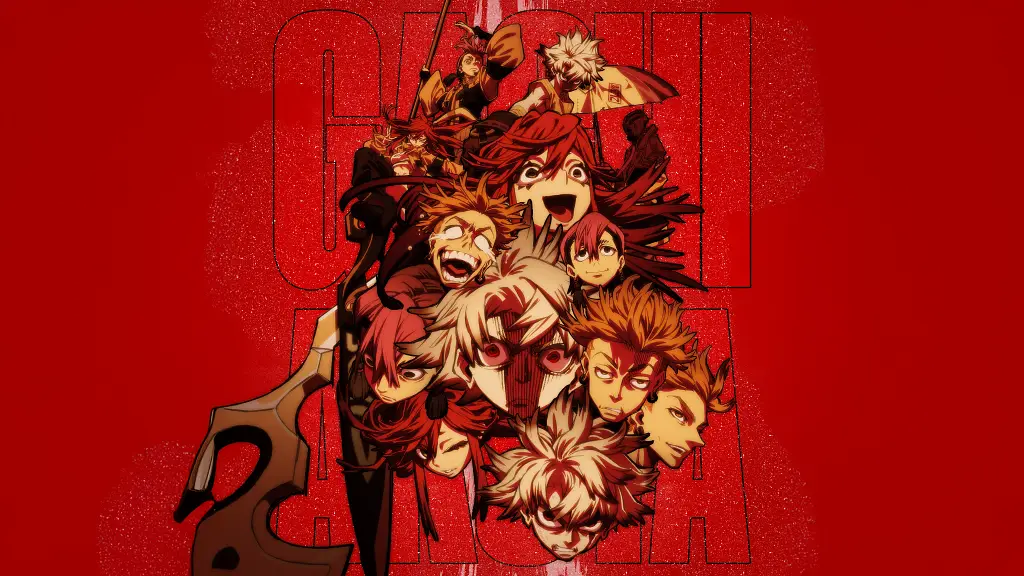
What Is Gachiakuta?
Before we dive into the episode, let’s set the stage. Gachiakuta started as a manga created by Kei Urana, serializing in Weekly Shōnen Magazine since 2022.
It immediately stood out for its gritty, punk-inspired art style and its unflinching look at classism and social inequality. The 2025 anime adaptation by the legendary Studio BONES is the perfect vessel for this story. In a nutshell, it’s a dark fantasy shonen about a boy named Rudo who is falsely accused of murder and thrown into a massive junkyard abyss known as the Pit, where he discovers a dangerous new world and a mysterious power tied to discarded objects.
If you’re curious about the production or want to see official visuals and staff information, you can check out the series through the Official Gachiakuta Anime Website. And for manga readers who want to go straight to the source, Kodansha hosts the series on their Gachiakuta Manga Page, complete with summaries and official volumes.
Why Fans Are Hyped About the Anime
The hype is real, and it’s not just because of BONES’ stellar reputation. This world feels fresh. It’s like if Chainsaw Man’s raw energy and Jujutsu Kaisen’s cursed world-building had a punk-rock baby raised on a landfill. The power system, called Anima, revolves around imbuing discarded items with power, which is a brilliant metaphor right from the start. The social commentary is biting, the character designs are dripping with style, and the promise of brutal, creative fights has everyone on the edge of their seats.
Gachiakuta Episode 1 Deep Dive Full Spoilers
Alright, buckle up. We’re going all in.
Life in the Slums (Opening Scene)
The episode wastes zero time. We’re immediately introduced to Rudo, our main character, living in the grimy, oppressive slums of a city that literally looks down on him. The upper city gleams above, while the lower city drowns in shadows and trash. The atmosphere is thick with despair, and you instantly feel how this society treats its poor citizens as, well, garbage. Rudo himself is a street-smart kid with a surprisingly strong moral compass, refusing to steal even when he’s starving. It immediately makes you root for him.
Regto: Rudo’s Father Figure
The emotional core of the episode is the relationship between Rudo and Regto, the man who took him in. Regto isn’t just a guardian; he’s a beacon of hope in this dismal place. He teaches Rudo that even discarded things and people have value. Their bond feels genuine and warm, which of course, means the story is about to tear it away. The way Rudo looks up to him just makes what comes next hit so much harder.
The Murder & False Accusation
The tragedy strikes fast. Rudo comes home to find Regto murdered. Before he can even process the grief, the city’s guards show up and immediately pin the crime on him. There’s no trial, no investigation. He’s poor, he’s an orphan, he’s convenient. The system designed to protect instantly chews him up and spits him out. It’s a heartbreaking sequence that showcases the brutal injustice of this world.
The Execution: Rudo Thrown Into the Pit
This is where BONES’ animation truly shines. The scene where Rudo is dragged to the edge of a monstrous chasm, the Pit, and thrown in is visceral. The camera follows him down, down, down into the darkness. The sound design muffles, the world above becomes a distant speck of light, and you feel every second of that terrifying fall alongside him. It’s one of the most impactful execution scenes I’ve seen in anime.
The Pit: Monsters & Awakening
Rudo survives the fall, only to land in a nightmare. The Pit is a wasteland of trash, inhabited by grotesque monsters made of garbage called Abominators. As one attacks him, in a moment of pure desperation, the gloves Regto gave him, his last connection to his father, suddenly glow. This is the awakening of his Anima. He discovers he’s a Giver, able to imbue objects with power.
The symbolism is gorgeous: the very things this world threw away (Rudo and the gloves) become the source of his strength. He fights back, using the power of Regto’s legacy to survive.
Ending Hook of Gachiakuta Episode 1
Just as Rudo gets a moment to breathe, the episode ends with a killer hook. A mysterious, masked figure is seen watching him from the shadows, noting his potential. It’s the perfect what happens next?! A moment that leaves you absolutely needing Episode 2 immediately.
Character Deep Dive: Rudo
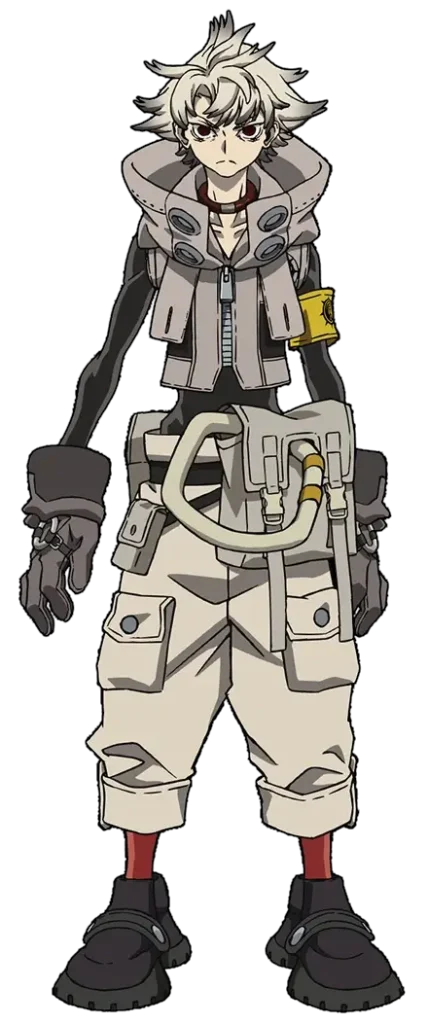
Okay, let’s be real, the success of this entire series hinges on whether we care about Rudo. And after Episode 1, I’m not just invested; I’m ready to follow this angry, heartbroken kid to the ends of the earth.
Rudo isn’t your typical shonen protagonist. He’s not shouting about becoming the strongest or saving the world. He’s just trying to survive in a system designed to crush him. What makes him so compelling is the brutal contrast between his hardened exterior and his stubborn, unwavering heart.
The Boy With a Moral Code in an Immoral World
Think about it: he’s starving, living in absolute poverty, and he still refuses to steal. In a world that treats him like garbage, he holds onto this innate sense of right and wrong that feels almost rebellious. It’s not naivete; it’s a quiet, fierce pride. He won’t let this city turn him into the criminal it already thinks he is. That tiny detail does more to build his character than any monologue could.
Grief and Anger as His True Power
When the system betrays him and takes the one person who showed him kindness, that moral core doesn’t break, it transforms. It hardens into a white-hot rage. His scream as he’s thrown into the Pit isn’t just fear; it’s the sound of every single injustice he’s ever suffered finally boiling over. This anger isn’t a weakness; it’s the fuel for his survival. It’s what allows him to connect with the Anima in Regto’s gloves. The power doesn’t come from a desire to be a hero; it comes from the raw, desperate need to live and get revenge on the world that discarded him.
Regto’s Legacy: The Anchor in the Storm
Everything Rudo is, and everything he will become, is tied to Regto. Their relationship is the emotional bedrock of the entire premiere. Regto’s lesson, “there is value in everything, even what others throw away”, isn’t just a nice sentiment. For Rudo, it becomes a literal survival mechanism.
The gloves are more than a weapon; they’re a physical reminder of that belief, the one thing connecting him to the only good memory he has in a world of trash and monsters.
Rudo is the ultimate underdog because his fight isn’t just against monsters; it’s against an entire societal structure that declared him worthless. Watching him rise from the literal garbage to prove his worth is going to be one of the most satisfying journeys of the year.
Themes and Symbolism
This episode is layered with meaning. The core theme is the value we assign to people and things. The upper city discards its trash and its undesirable people into the same Pit, treating them as worthless.
Rudo’s journey is about proving that value isn’t determined by your origin. It’s also a powerful story about found family and how pain can be a catalyst for incredible growth, even if that growth is forced upon you in the most traumatic way possible.
Power System Explained: Anima, Givers, and Cleaners
Alright, let’s geek out about the mechanics for a second! The power system in Gachiakuta is as creative as it is thematically perfect. If you’re coming from Jujutsu Kaisen’s Cursed Energy or Hunter x Hunter’s Nen, get ready for something fresh: Anima.
What is Anima? The Soul of Discarded Things
At its core, Anima is the life force or soul energy that exists within all things. But here’s the twist: it seems to be most potent in items that have been used, cherished, and then… thrown away.
The emotional history of an object, the memories attached to it, that’s what fuels Anima. It’s a beautiful concept that turns society’s trash into literal treasure. When Rudo awakens the Anima in Regto’s gloves, it’s not random, it’s because those gloves are saturated with the memory of Regto’s care and the love between them.
Givers: The Ones Who Unleash the Value
People like Rudo are called Givers. They’re not creating power out of nothing; they’re acting as a conduit, awakening the latent Anima within an object and giving it a command.
It’s like they’re speaking the object’s hidden language. The gloves didn’t just become indestructible; they responded to Rudo’s desperate will to live and fight back. This suggests the power is deeply personal and emotional, not just a generic energy blast.
Cleaners: The Janitors of the Apocalypse
So, who uses this power? From what we know from the manga and the episode’s hints, there’s an organization of Givers known as Cleaners. Their job is exactly what it sounds like: to clean up the trash. But in this case, the trash is the monstrous Abominators that spawn from the accumulated waste and negative energy in the Pit. They’re the frontline defense in this nightmarish underworld, and that mysterious figure watching Rudo at the end is almost certainly one of them.
This system is a narrative home run. It directly mirrors the core theme: finding power in what others disregard. Rudo, a discarded boy, wielding the power of discarded objects, to fight monsters made of discarded trash. It’s genius, and I cannot wait to see the creative ways they use it in future fights.
Visual & Animation Notes
The punk and graffiti-inspired visuals are stunning. The color palette is all muted grays and browns in the slums, making the glowing Anima effects and the lurid colors of the Pit pop brilliantly. The character expressions, especially Rudo’s wide-eyed horror and rage, are rendered with incredible detail. The fight animation is fluid and weighty, promising even more spectacular action to come. BONES is flexing, and it shows.
Comparison to the Gachiakuta Manga
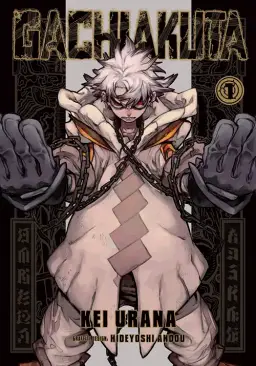
For manga readers, this adaptation is incredibly faithful. The tone, the pacing, and the key emotional beats are all perfectly translated. BONES has elevated the source material with its signature fluid animation, making the fall into the Pit and the first Abominator fight even more dynamic and terrifying. The core of the story is completely intact, which is the best compliment you can give an adaptation.
Should You Watch Gachiakuta?
So, after this deep dive, is the Gachiakuta Episode 1 worth your time?
Absolutely, 100%.
If you love dark, character-driven fantasies with brutal worlds and unique power systems, this is your next obsession. Studio BONES has delivered a premiere that is both emotionally devastating and visually spectacular. It’s a raw, unflinching look at a boy the world threw away, and his first step toward taking his power back.
This isn’t just another shonen; it’s a statement. And I am so ready to see where it goes next.
Next anime to watch: Leviathan.
